Verified Emergency Tree Property Value
Understand Vital Tree Care Methods for Best Tree Maintenance
Having knowledge of arboriculture is important for maintaining a healthy environment. Important techniques including mulching and trimming play significant roles in encouraging strong tree growth. In addition, correct irrigation methods are essential for new root growth. Yet, most people miss the symptoms of sick trees and the need for expert assistance. Exploring these aspects can foster a greater respect for how to maintain trees. How can someone ensure to help their trees grow strong?
Grasping the Value of Healthy Trees
Knowing why tree health is crucial is essential, as trees play a significant role in keeping nature balanced and making urban areas better. Vibrant trees help improve air quality, offer cooling shade, and provide refuge for nature. Trees also assist in reducing global warming by absorbing CO2, making them essential for long-term ecological health.
Within metropolitan areas, well-maintained trees enhance the appearance, boost real estate worth, and promote community well-being. Having trees can lessen heat island effects in cities, which saves money on energy.
Neglecting tree health, conversely, can result in disease, pest infestations, and unstable limbs, presenting hazards to both the trees and surrounding infrastructure. Consequently, recognizing the indicators of tree health, like the color of the leaves, growth patterns, and the state of the bark, is essential for proper care. thorough guide In the end, fostering healthy trees helps more than individual landscapes but also the broader ecosystem, stressing the importance for preventative maintenance and care methods.
Crucial Techniques for Cutting Branches
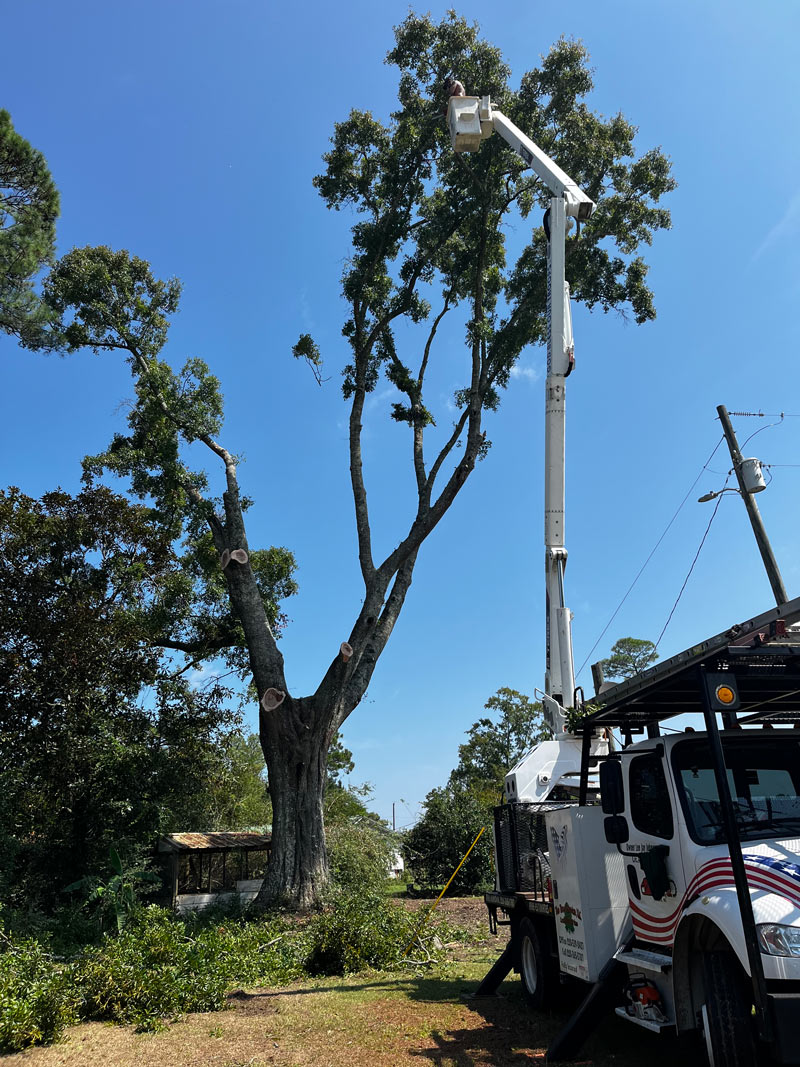
Pruning is an important practice in tree care that guarantees ideal growth and health, as it gets rid of sick or dead limbs and boosts ventilation within the canopy. Applying correct practices ensures the trees can grow well in their setting.
One fundamental technique is "thinning," which requires careful branch removal to enhance light penetration and decrease stress on weaker parts. 'Tip pruning' is a different technique, where the terminal buds are removed to stimulate lateral branching, especially in young trees. In addition, the 'crown reduction' method decreases the size and reach of a tree while preserving its inherent form.
Timing is essential; trimming when the tree is resting minimizes stress and promotes better wound closure. Pruning implements must be sharp and sterile to minimize harm and infection transfer. Grasping these critical pruning practices is vital for every arborist who seeks to keep healthy and beautiful trees.
Identifying Common Tree Diseases
How can tree owners recognize the symptoms of frequent ailments that put their trees at risk? Familiarity with key indicators is vital for quick spotting and treatment. These often include foliage that is off-color or limp, which may suggest fungal infections or insufficient nourishment. Abnormal formations, such as galls or cankers, may indicate insects are present or pathogens that weaken the tree. Furthermore, sap running out or bark flaking off may indicate infections that need prompt care.
Owners must also monitor alterations in the tree's form, including leaf drop or branch dieback, which might indicate a serious problem beneath the surface. Monitoring for signs of insect infestations, for instance, sawdust or bark holes, is equally important. Through vigilance and promptness, they can recognize these typical illnesses and seek appropriate remedies, making sure their trees stay strong and lively across the different seasons.
The Role of Mulching in Tree Care
Mulching is a key technique in tree care, providing many advantages which encourage strong development and durability. This technique requires placing a covering of specific material types around the base of a tree, which helps retain soil moisture, keeping weeds down, and moderating temperature fluctuations. The mulch covering not only reduces competition from unwanted vegetation but also boosts the visual appeal of the area.
Moreover, organic mulches, like bark or wood chips, gradually decompose, adding vital nutrients to the soil and enhancing the soil's composition. This ongoing process aids in root growth and fosters a healthier environment for the tree. Moreover, applying mulch helps stop the erosion of soil, maintaining the stability of the tree’s base. Appropriately spread mulch must be distributed in a circular pattern, making sure it doesn't touch with the trunk to prevent rot. In summary, integrating mulch application into tree care routines greatly supports to the sustained well-being of trees.
Proper Watering Practices for Trees
Quality tree upkeep needs not only mulching but also correct hydration methods to ensure optimal growth and health. Trees, specifically new plantings, require steady hydration to form solid root networks. Deep hydration is crucial, as it helps roots push deeper where moisture is more consistent. Optimally, trees should receive about an inch of water per week, whether through rainfall or supplemental irrigation.
Watering should be done at dawn to cut down on evaporation and fungal diseases. It is important to avoid overwatering, which can lead to root rot and other issues. One must check the soil for moisture before watering; should the top two inches be arid, it’s time to water. Moreover, using a soaker hose or drip irrigation can provide a slow, steady supply of water, making sure trees get enough water without the potential for wasted water. Correct watering methods are essential contributors to the general well-being of trees.
Retaining Specialized Tree Care: Reasons and Necessity
When assessing the condition and aesthetics of a property, engaging expert tree care may prove essential for homeowners who need intricate tree upkeep. Professional arborists possess the expertise to assess tree health, identify diseases, and execute beneficial procedures. Arborists are also aware of local regulations for removing trees and maintenance, ensuring adherence and avoiding potential fines
(Stillwater Tree Service)It is wise for homeowners to engage professionals when dealing with big trees, especially those close to buildings or power lines, as incorrect care can lead to dangers. In addition, trees requiring pruning for aesthetic or health reasons benefit from the skills of trained specialists who can make accurate cuts to encourage development
Seasonal tasks, such as preparing for storms and post-storm tidying, also require expert help to ensure site security and appearance. As a result, using expert tree care providers makes certain trees get the best attention, contributing positively to the property's aesthetics and real estate worth
Questions and Answers
How Can I Tell if My Tree Is Overwatered?
Signs of overwatering in trees include chlorotic leaves, wilting despite moist soil, decaying roots, and significant defoliation. In addition, the appearance of mushrooms around the base often suggests inadequate water runoff and waterlogged conditions.
When Should I Schedule for Tree Pruning?
The best time for tree pruning is generally in the cold months before spring before new growth begins - Stillwater Tree Service. This timing promotes vigorous development and lessens the impact on the plant, enabling rapid wound closure and further growth
Is It Possible for Trees to Survive Major Storm Damage?

Absolutely, trees are capable of recovering from major storm damage. If maintained correctly, such as pruning damaged limbs and ensuring sufficient hydration and feeding, most trees will recover their vitality and continue to thrive after experiencing significant stress.
How Do I Choose the Right Mulch for My Trees?
In order to pick the best mulch, it is best to use organic options like wood chips or bark, apply it to a depth of 2-4 inches, and keep mulch away from the tree collar to safeguard against rot.
Are There Specific Trees That Require More Care Than Others?
Some species, for instance, new plantings and orchard trees, require greater attention because they react strongly to environmental shifts and specific nutrient needs. Frequent checking and specific upkeep methods are crucial for their well-being and growth.